
Ask your AI assistant for the cue sheet, not just the music
An AI assistant can find the music for your edit in minutes. The paperwork has to keep up. What a cue sheet holds, why it matters more when AI does the searching, and how to get one for every cue in the same conversation where you chose it.

Why the assistant hands over the paperwork
The moment you choose a cue is the moment you know exactly which recording it is; ask for the credits weeks later, after picture lock, and someone has to work backwards from a file name. AINSOF controls both the master and the publishing of its music, so the writers, IPI numbers, societies, publisher and ISRC are ours to state. We put the cue sheet in the same conversation as the search so the assistant can hand it over while the choice is still fresh. For us, it means the paperwork comes from the same catalog record as the music: in our check, the cue sheet carried exactly the credits the track itself returns, with nothing retyped by hand. What it solved is credits being chased, or guessed, after the edit is locked.
What a cue sheet is
A cue sheet is a document that lists every piece of music used in a production: a TV episode, a film, a commercial, a series for a streaming platform. Each piece is a cue, and each cue gets a line: what it is, who wrote it, who publishes it, how long it plays and how it is used.
It is usually the production's job to prepare it. The broadcaster or distributor asks for it as part of delivery, and it ends up with the performing rights organizations (PRS, ASCAP, BMI and their counterparts around the world), who use it to work out whose music was played. The exact format and who submits it vary by broadcaster and territory, so always follow the delivery spec you were given.
What goes on one
Part of a cue sheet describes the production, and you fill that in: the programme or film title, the episode, the production company, the broadcaster. The rest describes each cue, and most of that should come from whoever controls the music:
- Title. The cue's registered title, spelled exactly as the publisher has it, so the society can match the line to the registered work.
- Composers and writers. Everyone who wrote the music, by their registered name.
- IPI number. An international identifier for writers and publishers, used by societies to tell people with similar names apart. AINSOF's cue sheet lists one for each writer.
- Society. The performing rights organization each writer belongs to. Writers on the same cue can belong to different societies.
- Publisher. The company that owns and administers the composition, with its share.
- ISRC. The International Standard Recording Code, which identifies the specific recording you used.
- Duration and timing. How long the cue plays in your production, often with the timecode where it comes in and goes out. Not the length of the full track, but the length you used.
- Usage. How the music is heard: in the background, featured, as an opening or closing theme. Broadcasters and societies have their own codes for these.
The first six belong to the music, and they should never be guessed. The last two belong to your cut, and only you can know them.
Why it matters more when AI finds the music
An assistant can put a dozen candidates in front of you in a minute, and you can drop one into the timeline a minute later. The faster music moves, the easier it is to lose track of where it came from. And a general chatbot with no access to the publisher's records can only guess at a writer's name or an IPI number. A guessed line on a cue sheet doesn't just look sloppy: it can send someone else's royalties to the wrong person, or to nobody.
When a programme is broadcast or publicly performed, the writers and publishers of the music in it are owed performance royalties. Those are not paid by the editor or the producer: broadcasters and platforms license public performance from the performing rights organizations themselves. The societies then pass the money on to writers and publishers.
The cue sheet is how a society knows who to pay. Without one, it may have no reliable way of knowing a cue was used at all, and the composer may never see that income. For a composer writing for production music, this is a real part of how they are paid for their work.
At AINSOF every cue is written, performed and produced by human composers, and nothing in the catalog is AI-generated. Every work is registered and administered through the performing rights organizations, with writers, publishers and splits filed. That is what makes an accurate cue sheet possible: the paperwork exists, and it leads back to real people. More on that in Help.
Getting it from your AI assistant
1.Add AINSOF to ChatGPT or Claude
In ChatGPT, open the AINSOF app and add it. Setup for other assistants is on ainsof.io/mcp. In Claude, go to Settings, then Connectors, add a custom connector named AINSOF with the address https://mcp.ainsof.io, and switch it on in your chat.
2.Ask for the cue sheet
The best moment to ask is right after you pick the cue, in the same chat: the assistant already has that cue's exact catalog ID from the search, so there is no doubt about which recording you mean. In a new chat, name the cue or paste its catalog number. The tool behind this is called cue_sheet, and it finds the cue by title or by catalog number.
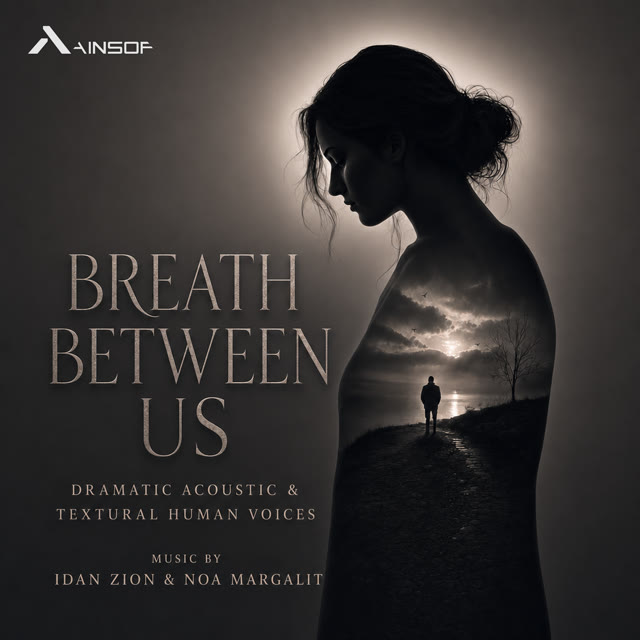
This is what the cue_sheet tool returned when we asked for Midnight Reverie from Breath Between Us, field for field:
Licensing information: ainsof.io
It arrives with a note to save it as a text file or paste it into your delivery paperwork. Read the shares line by line. The publisher line shows AINSOF at 100%, and each writer line shows that writer's performance share, here 25% each. The two are labelled differently and are not meant to be added together. Enter each party with the share listed next to it, and if your broadcaster's or society's form asks for shares in another way, check with them before you convert anything.
3.One cue, several writers, several societies
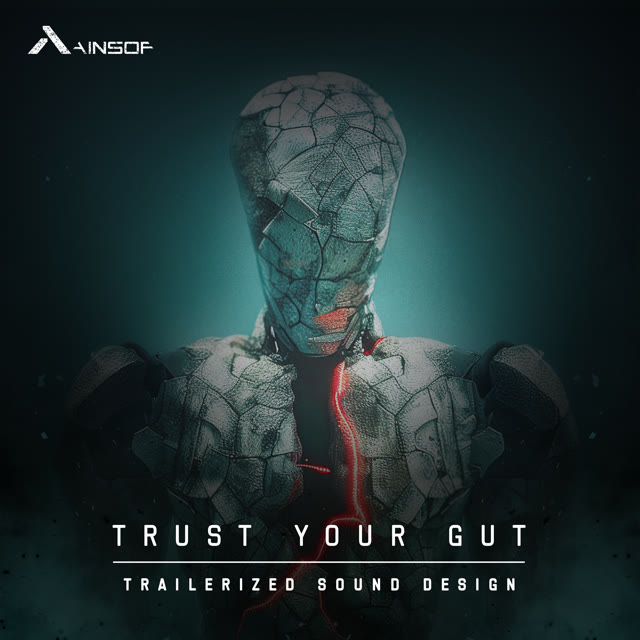
As Midnight Reverie shows, writers on the same cue don't always belong to the same society: Idan Zion is with ASCAP and Noa Margalit with PRS. Each gets their own line, with their own IPI number. Another we ran:
The writers' lines from the Trust Your Gut cue sheet, as returned. The full sheet also carries the album, duration, tempo, key and publisher.
4.Scored a video? The cue sheet comes in the package
If AINSOF put the music on your video, ask for the delivery once you are happy with the result. The tool behind it, deliver_score, hands you a zip with the scored video, every section of music as its own MP3, trimmed exactly as it was used and named with the timecode where it starts, and a cue sheet. Drop each file at the timecode in its name and the score is back on your own timeline. It never re-cuts anything: it delivers the render you already have. Downloading the zip needs a sign-in on ainsof.io and an active plan.
5.Add your timings and usage
The duration on an AINSOF cue sheet is the length of the full track. What goes on your delivery is the time the cue actually plays in your production, and how it is heard. Fill those in from your timeline, one line for each time a cue is used. If you used a delivery package, the timecode in each file name and the length of each file give you the in-points and durations to start from.
Building this into your own tools? The same cue sheet is available through the AINSOF API.
A cue sheet is not a license
A cue sheet identifies the music. It doesn't give you the right to use it; that comes from your license. The pricing page lists cue sheets among what the Individual, Business and Enterprise plans include, and shows which plan covers which kind of work. Asking for a cue sheet in the chat, as above, needs no plan; using the music in your production needs a license. TV and broadcast are licensed on terms agreed with us directly: write to info@ainsof.io with what you are making.
Your license doesn't include performance royalties either. Where a production is broadcast or publicly performed, the writers' and publishers' share stays with the composers and publishers, through their performing rights organizations. Filing the cue sheet is how it gets to them.
With AINSOF, the details are one question away in the same chat where you found the music. Every cue was written, performed and produced by human composers, and every one traces back to the people who wrote it.
Add AINSOF to ChatGPT Explore the musicRelated posts:

Brief ChatGPT like a music supervisor
How to go from a scene description to music you can actually use: cut to length, placed on your video, with the cue sheet, without leaving the chat.
21 October 2026 · 5 min read
AINSOF in Claude: what MCP is and how to connect it
Claude can talk about music all day. Connect AINSOF and it can also find the cue, play it, cut it to your length and hand you the cue sheet. What MCP means, how to set it up, and what to ask first.
21 October 2026 · 8 min read
How we built an AI agent that cuts music like an editor
Ads, pre-rolls, bumpers and logo stings all need music at an exact length, and a short version has to sound as if the song was written that long. How we built an AI agent that makes our cuts, how we trained it on our own editor's corrections, and how you can ask for the same kind of cut in ChatGPT or Claude.
21 October 2026 · 7 min read